

Backpacking in Sabah has quietly grown into one of Southeast Asia’s most rewarding experiences for independent travelers seeking nature, culture, and adventure on a reasonable budget. Located on the northern part of Borneo, Sabah offers a rare combination of untouched rainforests, marine biodiversity, mountain landscapes, and deeply rooted indigenous traditions.
Unlike more commercialized backpacking routes in Thailand or Bali, backpacking in Sabah feels raw, authentic, and personal. Travelers here are not rushed between attractions. Instead, they are invited to slow down, interact with locals, and truly immerse themselves in the rhythm of Bornean life.
For international backpackers and West Malaysian travelers alike, Sabah provides excellent value. Transportation is affordable, food is inexpensive, and accommodation options cater well to budget-conscious travelers. Most importantly, the experiences such as seeing orangutans in the wild or waking up to Mount Kinabalu’s silhouette are priceless.
Why Backpacking in Sabah Is Ideal for Budget Travelers

Backpacking in Sabah stands out because it offers premium experiences without premium pricing. Many travelers assume Borneo is expensive, but Sabah consistently proves otherwise when planned correctly.
One major advantage is that Sabah’s tourism infrastructure supports independent travel. Backpackers are not forced into expensive tour packages. Public transport, budget hostels, and local eateries make it possible to explore freely while staying within budget.
Another reason backpacking in Sabah is appealing is the diversity of attractions within a single state. You can move from island hopping to jungle trekking, wildlife encounters, and cool highland retreats within days often without needing flights.
Sabah is also culturally welcoming. English is widely spoken, especially in tourism areas, and locals are known for their friendliness and willingness to help travelers. This makes backpacking in Sabah far less intimidating, even for first-time solo travelers.
Best Time of Year for Backpacking in Sabah
Understanding weather patterns is crucial when planning backpacking in Sabah. The state experiences a tropical climate, meaning warm temperatures year-round with varying rainfall.
The dry season, which typically runs from March to October, is considered the best period for backpacking in Sabah. During these months, hiking trails are safer, island hopping conditions are calmer, and visibility for diving and snorkeling is excellent. This period is particularly popular for Mount Kinabalu climbers.
However, backpacking during the wet season from November to February has its advantages. Accommodation prices drop, fewer tourists visit major attractions, and landscapes appear greener and more dramatic. While rain showers can be heavy, they are often short and predictable.
For backpackers seeking balance, shoulder months such as April, May, and September are ideal. These months offer relatively good weather while avoiding peak-season crowds.
Planning & Preparation for Backpacking in Sabah

Successful backpacking in Sabah begins long before arriving. Proper planning ensures smoother travel, better budgeting, and fewer unexpected issues.
Travelers should start by checking visa requirements. Malaysia offers visa-free entry to many nationalities, making Sabah accessible for long-term backpacking routes across Southeast Asia. Passports should have at least six months’ validity.
Packing smart is equally important. Sabah’s climate is hot and humid, but cooler temperatures can be found in highland areas like Kundasang. Lightweight clothing, a rain jacket, comfortable walking shoes, and reef-safe sunscreen are essential.
Connectivity is reliable in urban areas. Purchasing a local SIM card upon arrival provides affordable internet access, which is useful for navigation, accommodation bookings, and ride-hailing services.
Budgeting Guide for Backpacking in Sabah
One of the most attractive aspects of backpacking in Sabah is affordability. With mindful spending, travelers can experience the best of Sabah on a modest daily budget.
Accommodation typically forms the largest expense. Backpacker hostels in Kota Kinabalu, Sandakan, and Semporna offer dorm beds at very reasonable rates. Homestays provide an even cheaper option in rural areas while offering cultural immersion.
Food costs remain low when eating locally. Hawker stalls, night markets, and kopitiams serve hearty meals at a fraction of restaurant prices. Transportation costs are manageable, especially when using buses and shared vans.
Backpacker Destinations Across Sabah
One of the biggest advantages of backpacking in Sabah is the diversity of destinations within a single state. Unlike many regions where backpackers focus on one or two cities, Sabah allows travelers to experience coastal towns, cool highlands, wildlife sanctuaries, and island communities all in one journey. Each destination offers a different pace, environment, and cultural insight, making Sabah ideal for long-term backpacking routes.
From urban convenience in Kota Kinabalu to remote marine environments in Semporna, backpackers can shape their journey based on personal interests, budget, and time.
Backpacking in Kota Kinabalu
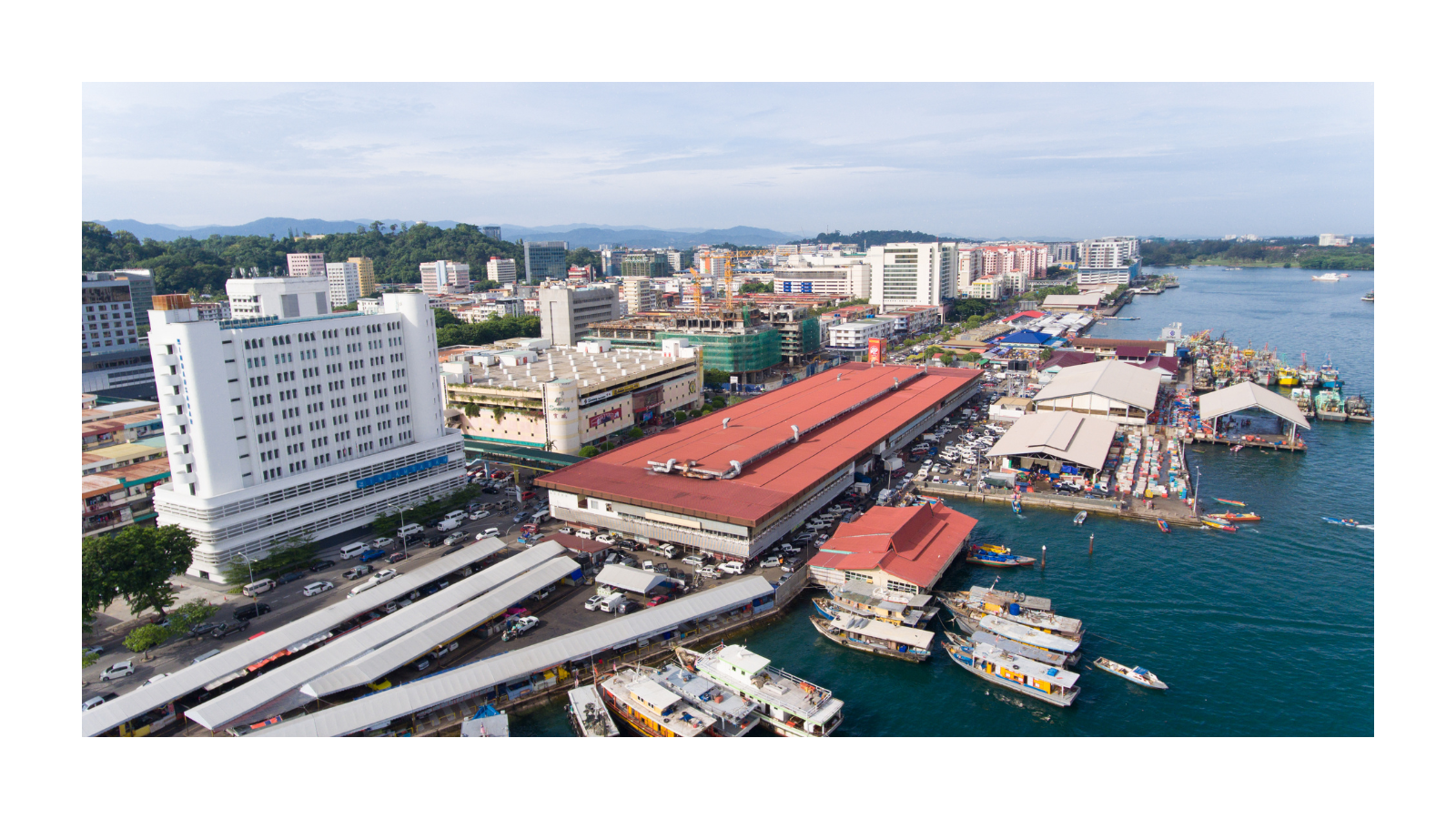
Kota Kinabalu is widely regarded as the starting point for backpacking in Sabah, and for good reason. As the state capital, the city functions as Sabah’s main transportation hub, accommodation center, and logistical base for travelers heading to other parts of the state. Most international and domestic travelers arrive through Kota Kinabalu International Airport, making it a natural first stop.
Despite being a city, Kota Kinabalu maintains a relaxed coastal atmosphere. Backpackers often stay longer than planned because the city offers a balance of affordability, accessibility, and experiences. Budget hostels are concentrated around the city center, allowing easy access to food stalls, markets, ferry terminals, and public transport.
The waterfront area is one of the most popular places for backpackers to unwind after a day of exploring. Sunset views over the South China Sea are considered among the best in Malaysia, attracting both locals and travelers every evening. Nearby, Gaya Street becomes the cultural heart of the city during weekends, especially on Sunday mornings when the street transforms into a lively market filled with local food, handicrafts, and souvenirs.
Kota Kinabalu is also ideal for backpackers who want flexibility in their itinerary. Day trips are easily arranged, and travelers can return to the city each evening without changing accommodation. Popular activities include island hopping, short hikes, cultural visits, and food exploration.
Key reasons backpackers base themselves in Kota Kinabalu include:
Easy access to islands, mountains, and rural areas
Large selection of budget accommodation and food
Reliable public transport and ride-hailing services
Social atmosphere with other backpackers
For many travelers, Kota Kinabalu is not just a transit city but an essential part of the backpacking experience in Sabah.
Backpacking in Kundasang and Ranau
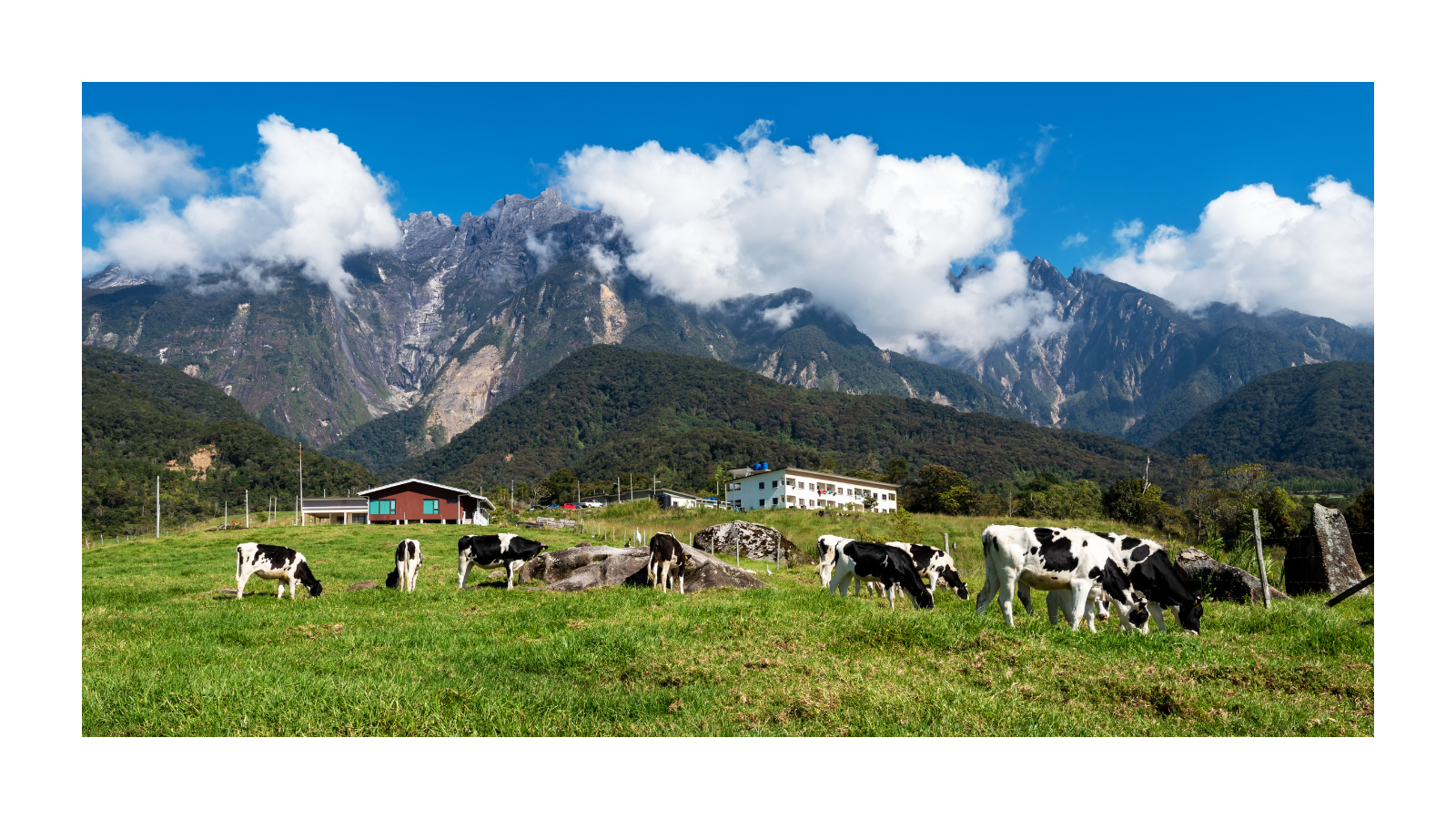
After the coastal warmth of Kota Kinabalu, many backpackers head inland to Kundasang and Ranau for a completely different environment. Located near Mount Kinabalu, this region offers cooler temperatures, fresh air, and some of the most scenic landscapes in Sabah. For backpackers seeking a slower pace and natural beauty, this area provides a refreshing contrast.
Kundasang is particularly popular for its panoramic views of Mount Kinabalu, rolling hills, and agricultural scenery. The climate is noticeably cooler, which many backpackers appreciate after spending time in humid coastal areas. Mornings are often misty, creating dramatic scenery that attracts photographers and nature lovers.
Backpackers come to Kundasang primarily for hiking, nature walks, and quiet relaxation. Unlike Kota Kinabalu, nightlife is minimal here, making it more suitable for travelers who enjoy peaceful evenings and early mornings. Budget accommodations are available, including guesthouses and homestays that provide an opportunity to experience local village life.
Ranau, located nearby, adds depth to the journey with its historical and cultural significance. The town is also known for Poring Hot Springs, where backpackers can relax tired muscles after hiking or long travel days. The surrounding area features waterfalls and forest trails that are accessible even for budget travelers.
Why backpackers love Kundasang and Ranau:
Cooler weather and scenic mountain views
Affordable homestays with local experiences
Access to Mount Kinabalu National Park
Ideal environment for slow and mindful travel
This region is often described as the emotional heart of backpacking in Sabah, offering calm moments that balance the more active parts of the journey.
Backpacking in Sandakan
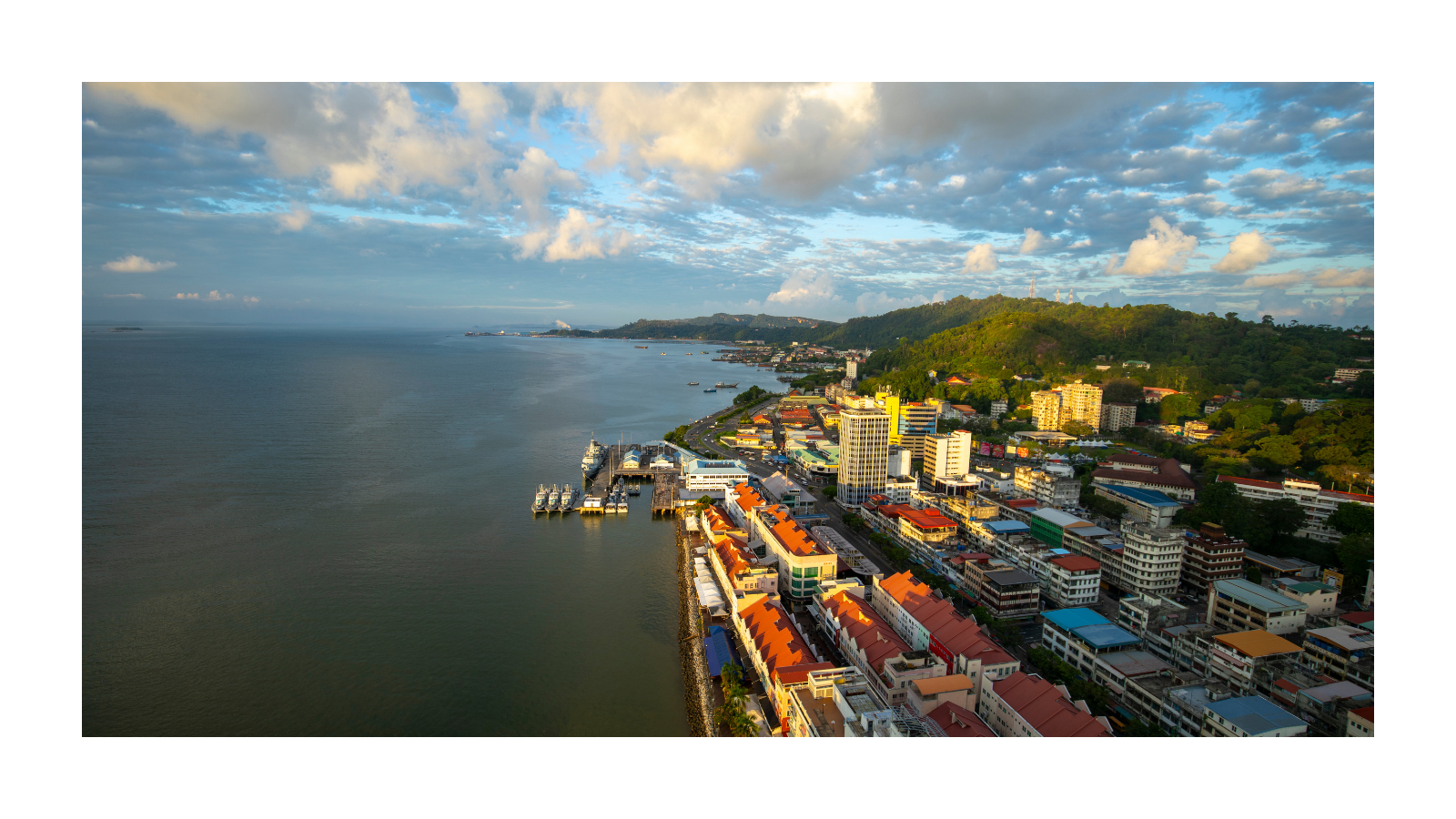
Sandakan plays a crucial role in backpacking in Sabah, particularly for travelers interested in wildlife and conservation. While the town itself is modest and less developed compared to Kota Kinabalu, its importance lies in what surrounds it rather than the urban environment.
Sandakan is internationally known for its wildlife conservation centers, making it one of the most accessible places in the world for backpackers to see endangered species ethically. Visiting these centers is often a highlight of a Sabah backpacking trip, especially for travelers who value responsible tourism.
Backpackers usually stay in Sandakan for a short but meaningful period, focusing on visits to nearby conservation sites. The town also provides insight into Sabah’s colonial history and offers a more local, less tourist-driven atmosphere.
Accommodation and food in Sandakan are generally affordable, making it suitable for budget travelers. While entertainment options are limited, the experience of observing wildlife in protected environments outweighs the lack of urban attractions.
Sandakan is ideal for backpackers who:
Are interested in wildlife and conservation
Prefer meaningful experiences over nightlife
Want to support ethical tourism initiatives
Enjoy quieter, less touristy towns
For many travelers, Sandakan adds depth and purpose to backpacking in Sabah.
Backpacking in Semporna
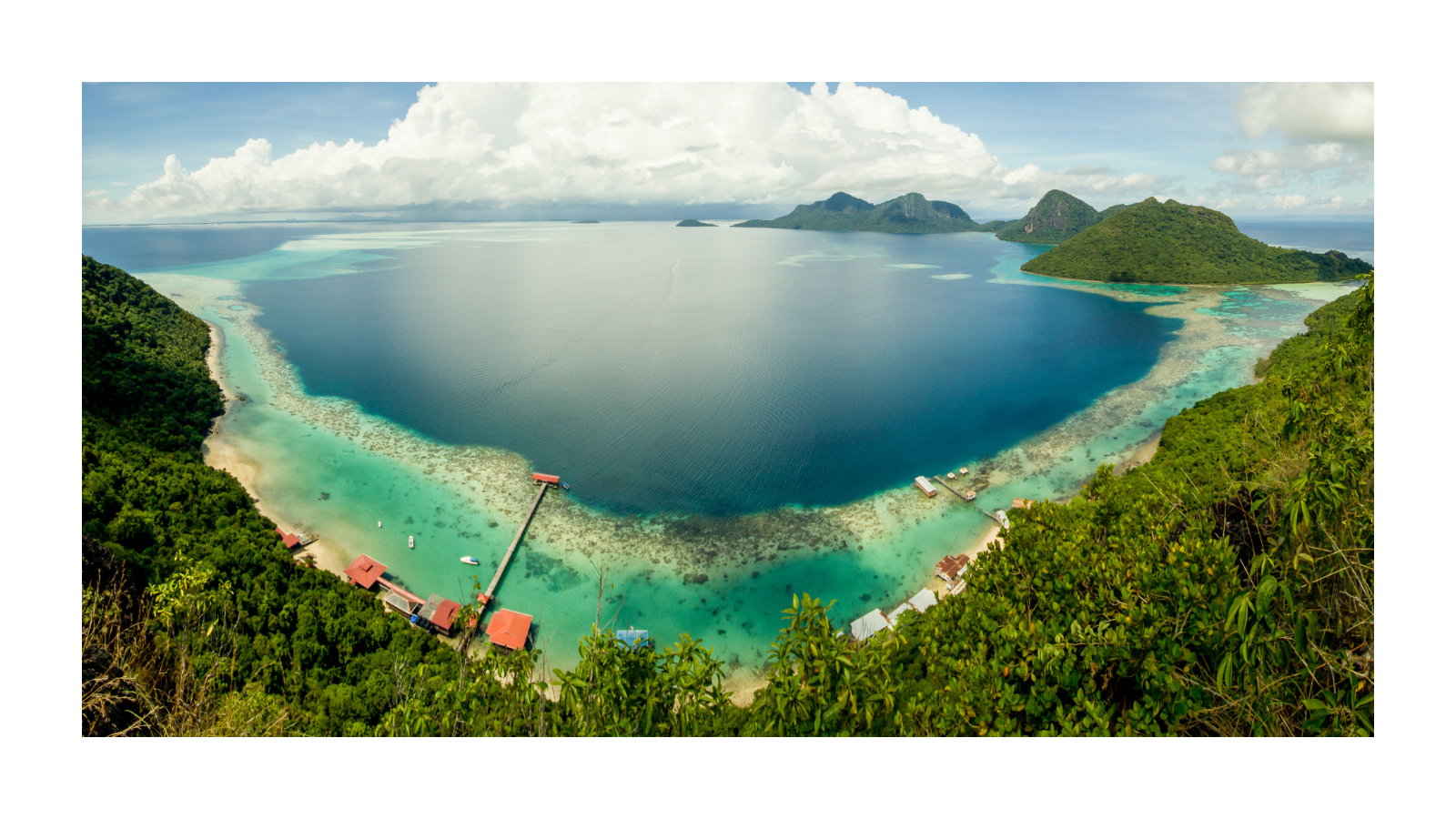
Semporna represents the marine side of backpacking in Sabah and is a must-visit destination for travelers drawn to the sea. Known as the gateway to some of the world’s most beautiful islands and coral reefs, Semporna offers experiences that are often associated with luxury destinations but remain accessible to backpackers.
While Semporna town itself is simple, its surroundings are extraordinary. Backpackers often base themselves in town and join daily island-hopping tours that visit crystal-clear waters, white-sand beaches, and vibrant coral ecosystems. These tours are far more affordable than full diving packages, making Semporna suitable even for travelers on tight budgets.
Although scuba diving in this region can be expensive, many backpackers choose snorkeling or freediving as budget-friendly alternatives. The marine environment is rich enough that even surface-level activities provide unforgettable experiences.
Semporna attracts backpackers who:
Love marine life and island scenery
Are flexible with comfort in exchange for natural beauty
Want affordable access to world-class waters
Prefer daytime adventures over nightlife
Including Semporna in a backpacking itinerary adds a sense of adventure and visual contrast to the inland and urban parts of Sabah.
Transportation Options for Backpackers
Transportation is an important factor when backpacking in Sabah, as distances between destinations can be longer than expected. However, Sabah offers a variety of transport options that suit different budgets and travel styles.
Public buses and minibuses are the most economical way to travel between towns. While they may be slower and less punctual than private transport, they are reliable and widely used by locals. Backpackers who are not in a hurry often find public transport to be an enjoyable way to observe daily life.
In larger towns such as Kota Kinabalu and Sandakan, ride-hailing services like Grab provide affordable and convenient transport. These services are particularly useful for short distances or late-night travel.
For backpackers traveling in small groups or exploring rural areas, renting a car can be cost-effective. Fuel prices in Malaysia are relatively low, and driving allows access to places that public transport does not reach easily.
Transportation options commonly used by backpackers include:
Long-distance buses and minibuses
Ride-hailing apps in urban areas
Shared vans for popular routes
Rental cars for flexible itineraries
Choosing the right transport method depends on time, budget, and comfort preferences.
Accommodation Guide for Backpacking in Sabah
Accommodation in Sabah caters well to backpackers, offering options that range from social hostels to quiet rural homestays. Most budget accommodations are clean, safe, and well-located.
Hostels dominate city centers and are popular among solo travelers who want to meet others. Dormitories are affordable and often include communal spaces where backpackers exchange travel tips and plan activities together.
In rural areas, homestays provide a more personal experience. Staying with local families allows backpackers to learn about daily life, traditions, and local food. These accommodations are usually inexpensive and offer excellent value.
Private rooms in budget hotels are widely available for travelers who want privacy without high costs. Booking in advance is recommended during peak seasons, especially in Kota Kinabalu and Semporna.
Food & Eating Cheap While Backpacking in Sabah
Food is a major highlight of backpacking in Sabah, especially for budget-conscious travelers. Sabah’s cuisine reflects its multicultural population, blending Malay, Chinese, and indigenous influences into simple but flavorful dishes.
Local food is widely available and inexpensive. Backpackers who eat at hawker stalls, night markets, and small eateries can keep food costs very low while enjoying authentic flavors. Portions are generally generous, making meals filling and satisfying.
Night markets are particularly popular among backpackers. They offer a wide range of options, from grilled seafood to noodles and local snacks. Eating where locals eat is the most reliable way to enjoy good food at low prices.
Safety, Health & Cultural Etiquette
Sabah is considered a safe destination for backpackers, including solo travelers. Violent crime is rare, and locals are generally friendly and helpful. However, basic safety awareness is still important, especially in unfamiliar areas.
Health precautions should not be overlooked. Staying hydrated is essential due to the tropical climate, and insect repellent helps prevent mosquito bites. Travel insurance is strongly recommended for activities such as hiking, diving, or island hopping.
Cultural respect plays an important role in positive travel experiences. Modest clothing is appreciated, especially in rural areas and religious sites. Simple gestures such as greeting locals politely and being patient create meaningful interactions.
Sample 7-Day Backpacking Itinerary in Sabah
A balanced itinerary allows backpackers to experience Sabah without feeling rushed. A typical 7-day route might include:
Days 1–2: Kota Kinabalu and island hopping
Days 3–4: Kundasang and Mount Kinabalu Park
Days 5–6: Sandakan for wildlife encounters
Day 7: Return to Kota Kinabalu or extend to Semporna
This itinerary offers a mix of urban exploration, nature, wildlife, and relaxation.
Sustainable Backpacking Practices in Sabah
Backpacking in Sabah comes with responsibility. Sabah’s natural environments are fragile, and sustainable travel helps protect them for future generations.
Backpackers are encouraged to minimize waste, avoid unethical wildlife attractions, and support local businesses whenever possible. Small choices, such as using refillable water bottles and respecting wildlife guidelines, have a meaningful impact.
Common Backpacking Mistakes to Avoid
Many first-time visitors underestimate travel distances and attempt to cover too much in a short time. Sabah rewards slow travel, and allowing buffer days improves the overall experience.
Weather conditions should also be considered, especially during the rainy season. Staying flexible and adapting plans when needed leads to a more enjoyable journey.
Final Thoughts on Backpacking in Sabah
Backpacking in Sabah is more than visiting destinations it is about connecting with landscapes, cultures, and communities that remain deeply authentic. From misty mountain mornings to vibrant coral reefs, Sabah offers experiences that feel both adventurous and grounding.
With thoughtful planning, cultural respect, and an open mindset, backpackers will find Sabah to be one of the most rewarding destinations in Southeast Asia.




0 Comments