
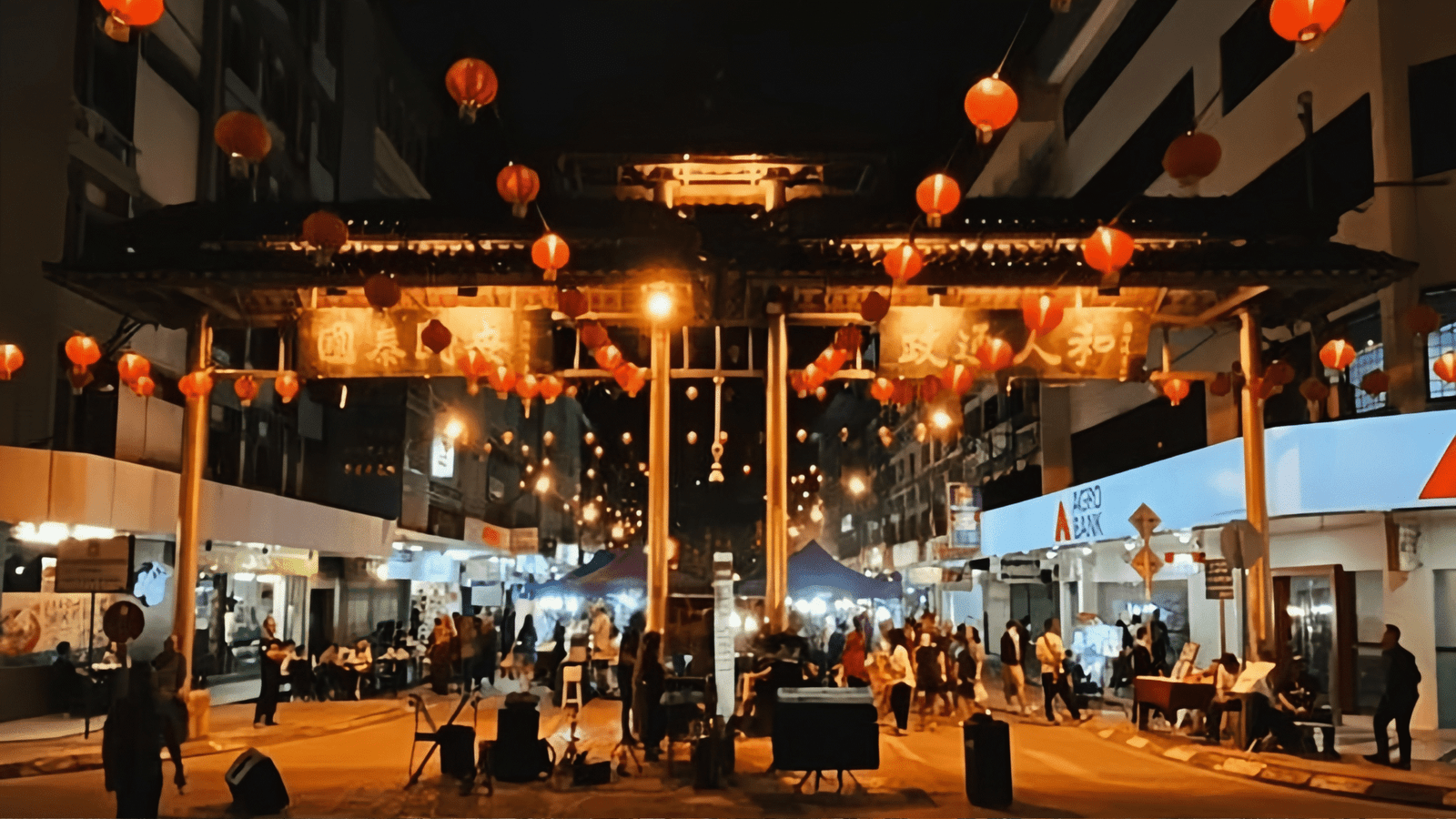
Kota Kinabalu food is a vibrant reflection of Sabah’s diverse culture and rich coastal heritage. From bustling street food markets to fresh seafood feasts, the city offers a culinary journey unlike any other. Whether you’re an adventurous foodie, someone who enjoys exploring local flavors, or just curious about Sabah’s food culture, this guide will take you through the must-try dishes, best places to eat, halal options, and insider tips for experiencing Kota Kinabalu’s culinary scene.
Why Kota Kinabalu is a Food Paradise
Nestled on the northwest coast of Borneo, Kota Kinabalu, affectionately called KK by locals is the capital of Sabah and a food lover’s dream destination. Its location by the sea gives it access to some of the freshest seafood available anywhere, while the city’s multicultural population ensures a diverse culinary landscape. The food here is influenced by Malay, Chinese, Indian, and indigenous Kadazandusun traditions, making it a melting pot of flavors, techniques, and ingredients.
Fresh produce and tropical fruits abound, contributing to dishes that are both vibrant in color and bursting with flavor. Local markets overflow with ingredients such as fresh seafood, exotic fruits, and aromatic herbs, ensuring that every meal is a reflection of Sabah’s natural abundance. The combination of coastal freshness, multicultural influences, and traditional cooking methods makes Kota Kinabalu a true paradise for foodies.
Beyond taste, dining in Kota Kinabalu is a cultural experience. Street food vendors serve time-honored recipes passed down through generations, while upscale seafood restaurants offer elegantly prepared dishes that highlight local ingredients. Whether you’re sampling a humble snack at a night market or indulging in a seafood feast at a floating restaurant, KK’s food scene promises authenticity, variety, and adventure.
Must-Try Kota Kinabalu Food
1. Fresh Kota Kinabalu Seafood
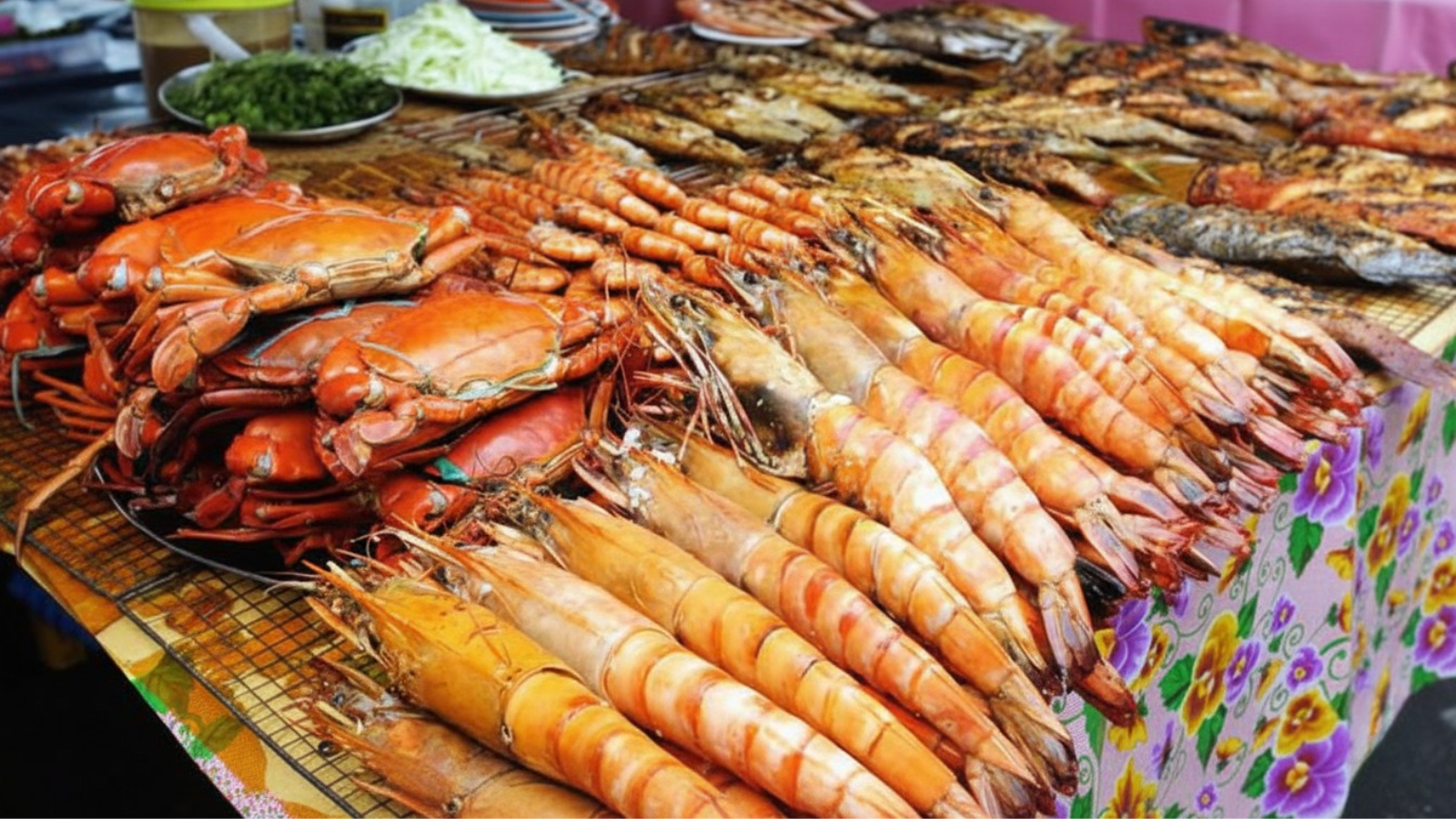
Seafood is the crown jewel of Kota Kinabalu’s culinary offerings. Thanks to the city’s coastal location along the South China Sea, fish, prawns, squid, and shellfish are incredibly fresh, often caught the same day they reach your plate. Seafood in Kota Kinabalu is not only fresh but also surprisingly affordable, making it accessible to both locals and tourists.
Some of the iconic dishes to try include:
Butter Prawns: Succulent prawns coated in a creamy, buttery sauce infused with garlic and chili. The sauce balances sweetness and spiciness, making it irresistible.
Chili Crab: A Sabah twist on the popular Southeast Asian classic, with a rich, spicy, and slightly sweet sauce perfect for dipping with bread or rice.
Steamed Grouper: Lightly seasoned and steamed to perfection, allowing the natural sweetness of the fish to shine.
Grilled Squid: Often marinated in local spices and grilled over charcoal, resulting in a smoky, tender, and flavorful dish.
For the best seafood experience, consider visiting:
Kota Kinabalu Waterfront Seafood Night Market: This vibrant market comes alive in the evenings, offering freshly caught seafood prepared right in front of you.
Welcome Seafood Restaurant: A favorite among locals and tourists alike, known for generous portions and a wide selection of seafood dishes.
Ocean Seafood Village: Renowned for its crabs and lobsters, this restaurant provides both a casual and fine dining experience.
Kampung Nelayan Floating Seafood Market Restaurant: Unique for its floating dining setup, this venue combines delicious seafood with cultural performances, offering a dining experience you won’t forget.
Seafood in KK is best enjoyed with family or friends, paired with a cold drink, and a view of the sunset over the sea—an experience that’s both satisfying and unforgettable.
2. Street Food in Kota Kinabalu
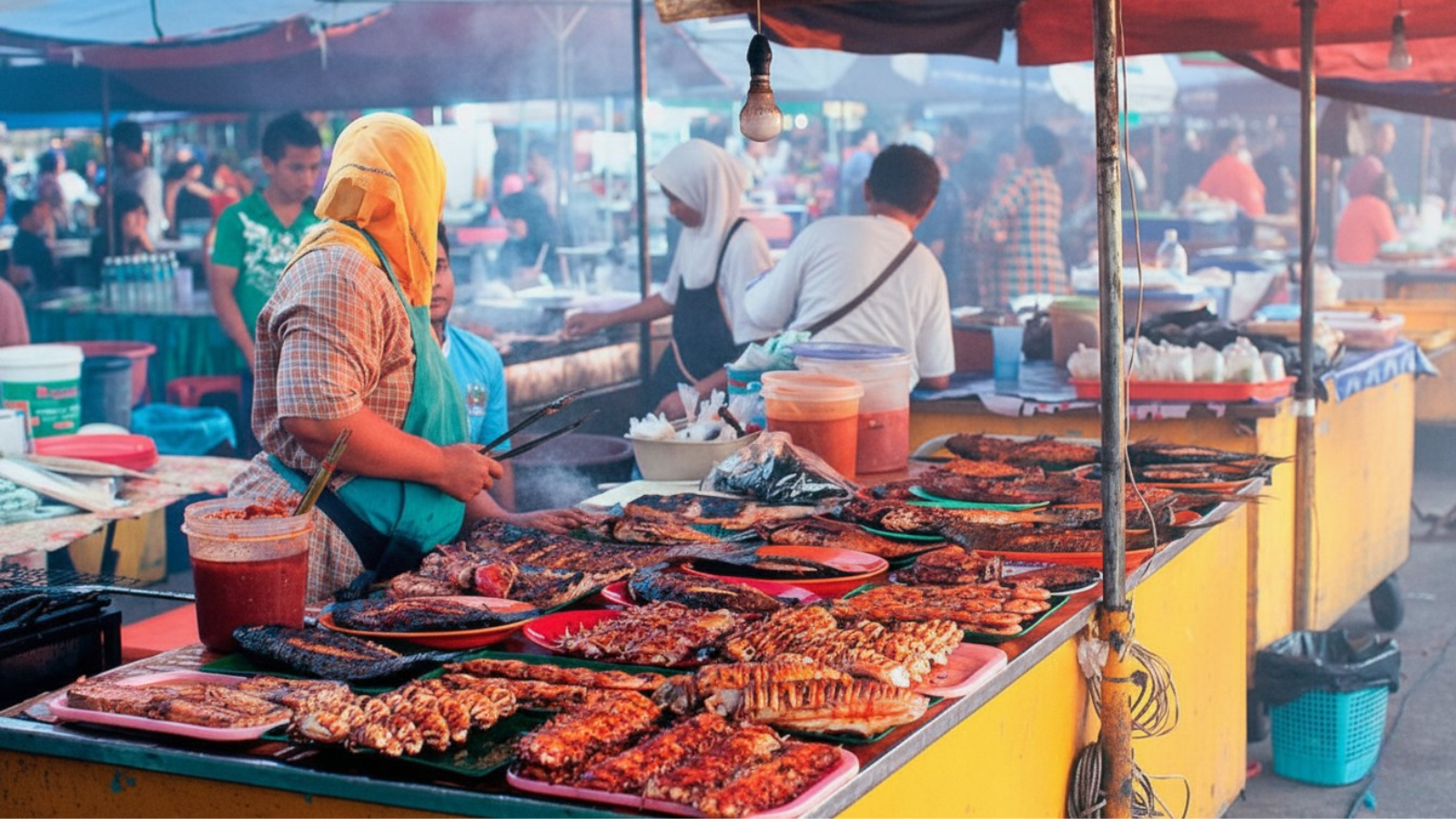
For those who love authentic local flavors, the street food scene in Kota Kinabalu is a must-explore. Night markets and food stalls offer a variety of quick, flavorful, and affordable options. The city’s street food reflects the multicultural influences of Sabah, blending Malay, Chinese, and Filipino tastes.
Some must-try street food items include:
Grilled Satay Skewers: Marinated meat grilled to perfection and served with a peanut sauce that’s both rich and slightly spicy.
BBQ Chicken Wings: Tender and flavorful, often coated in a sweet and savory glaze.
Freshly Grilled Fish: Local fish grilled over charcoal, typically served with sambal or a squeeze of lime.
Coconut Pudding: A light, sweet dessert made from coconut milk, perfect after a spicy meal.
Banana Fritters (Pisang Goreng): Crispy on the outside and soft inside, these sweet treats are a favorite among locals and visitors alike.
The top spots for street food include:
Filipino Market (Handicraft Market): A lively spot offering a mix of food, handicrafts, and souvenirs. Here, you can sample grilled seafood, local desserts, and snacks.
Night Food Market: Open in the evenings, this market is perfect for trying multiple dishes at once. Grab a plate of noodles, a satay skewer, and some dessert to get a full taste of KK’s street food scene.
Street food in KK is not just about the food, it’s about the experience. The sights, sounds, and smells of the night markets create an immersive atmosphere that transports you straight into the heart of Sabah’s culture.
3. Tuaran Mee
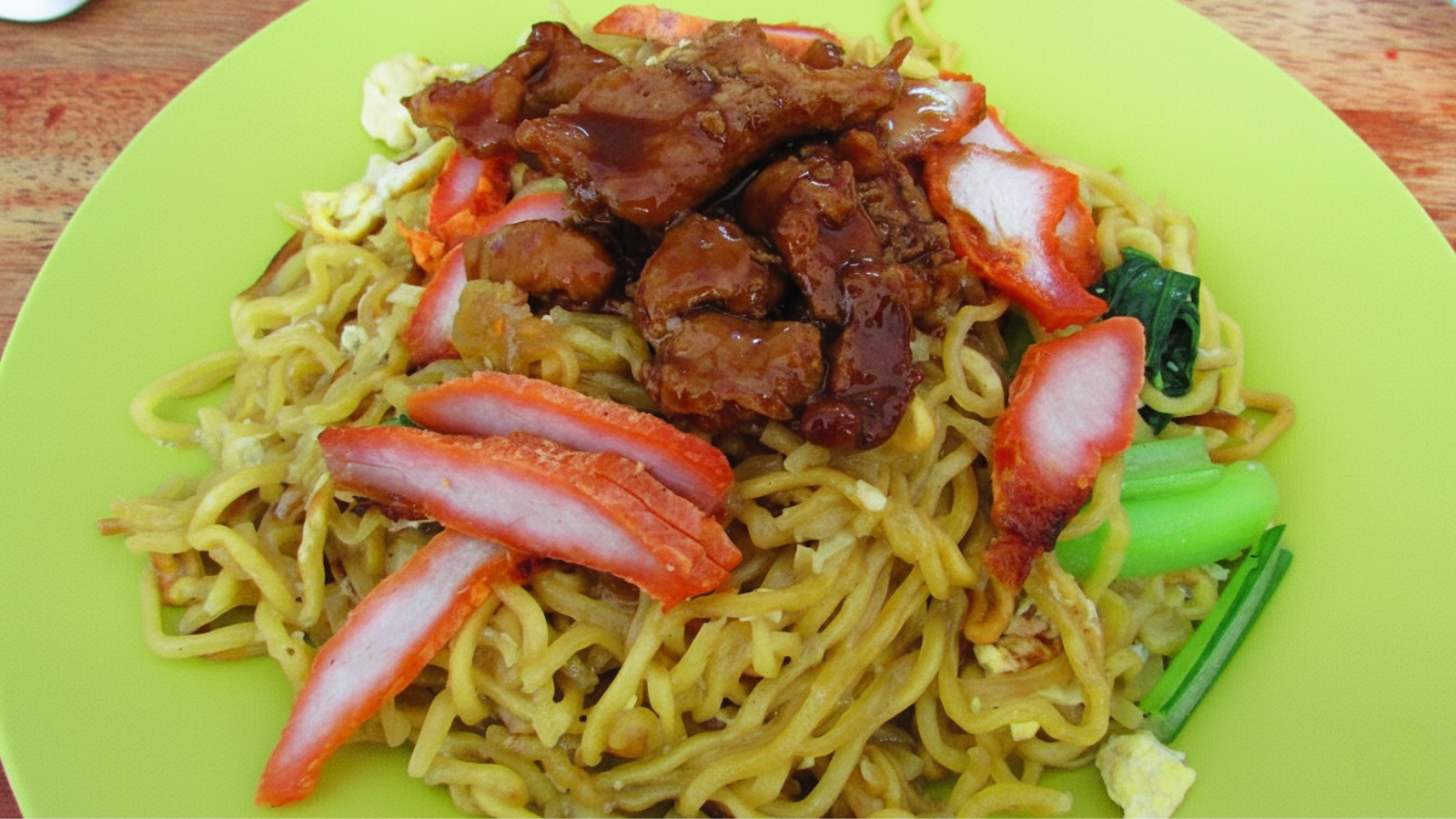
Tuaran Mee is one of Sabah’s signature noodle dishes, originating from the nearby town of Tuaran. This stir-fried noodle dish is made with fresh egg noodles, typically mixed with slices of pork, vegetables, and egg rolls. The noodles are slightly crispy on the edges from being pan-fried, giving the dish a satisfying texture.
Tuaran Mee is popular in both street stalls and casual restaurants across Kota Kinabalu. It’s often served with a side of pickled vegetables and a small bowl of clear soup, balancing the richness of the fried noodles. For an authentic experience, try Tuaran Mee at local eateries recommended by locals—they often have family recipes passed down through generations.
4. Ngiu Chap (Beef Noodle Soup)
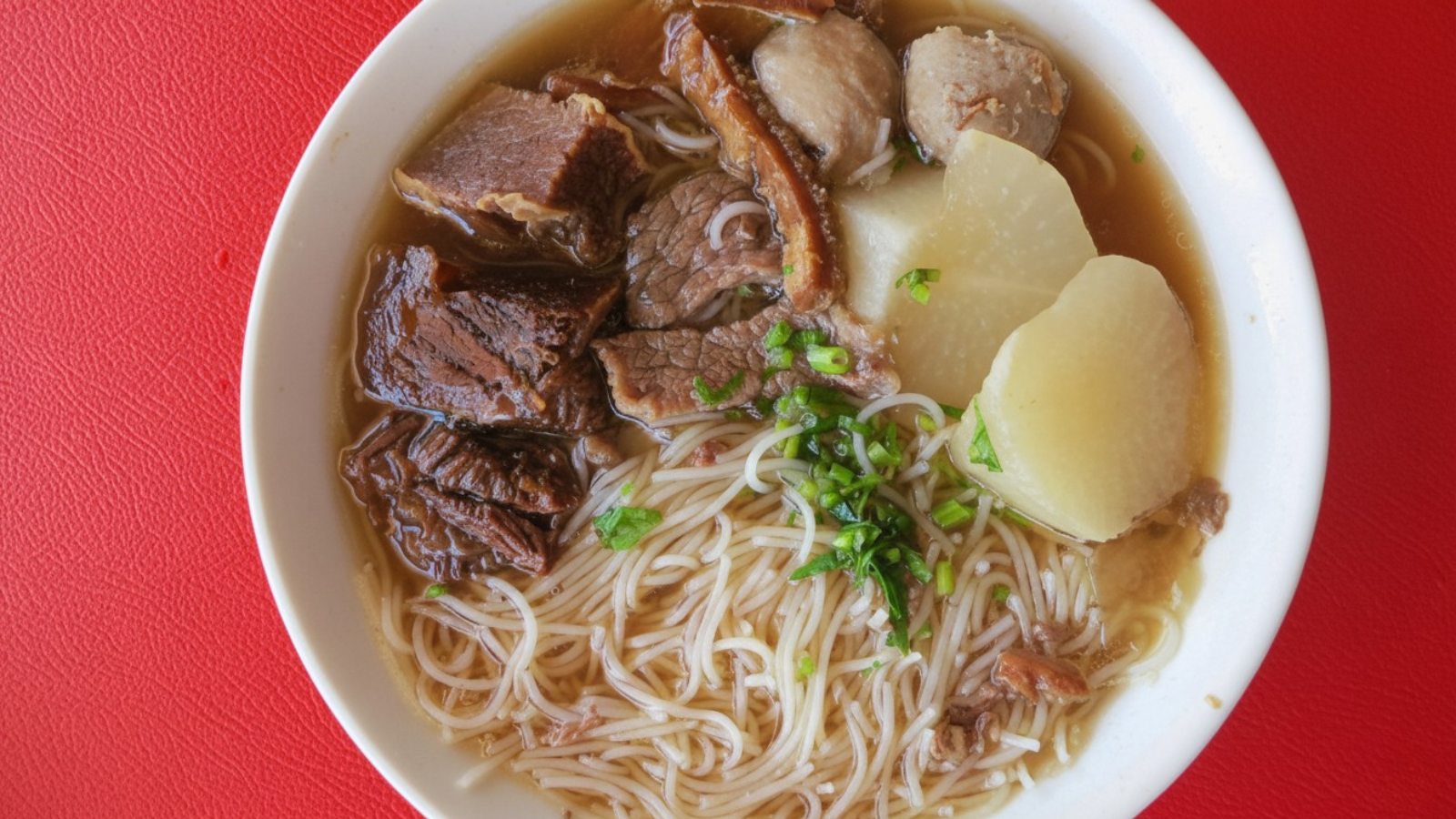
Ngiu Chap, or beef noodle soup, is a comforting dish that has deep roots in Chinese and Kadazandusun communities in Sabah. The dish features a variety of beef cuts including tendons, tripe, and brisket, simmered in a rich herbal broth for hours to extract maximum flavor. Served over springy noodles, it’s often garnished with fresh herbs and accompanied by chili sauce or pickled vegetables.
A favorite place to enjoy Ngiu Chap is Kedai Kopi Yuit Cheong, known for its perfectly balanced broth and tender beef slices. This dish is ideal for breakfast, lunch, or dinner, providing a hearty and satisfying meal.
5. Hinava

Hinava is a traditional Kadazandusun delicacy that’s similar to ceviche. It is made with raw mackerel marinated in lime juice, ginger, red onions, and chili. The result is a refreshing, tangy, and slightly spicy dish that’s perfect as an appetizer or a light meal.
Hinava showcases the indigenous culinary traditions of Sabah, relying on fresh local ingredients and simple preparation to let natural flavors shine. Many local restaurants and markets serve this dish, and it’s often accompanied by crackers or eaten with rice. For adventurous foodies, Hinava offers a taste of authentic Sabah that’s both exotic and memorable.
6. Latok (Sea Grapes)
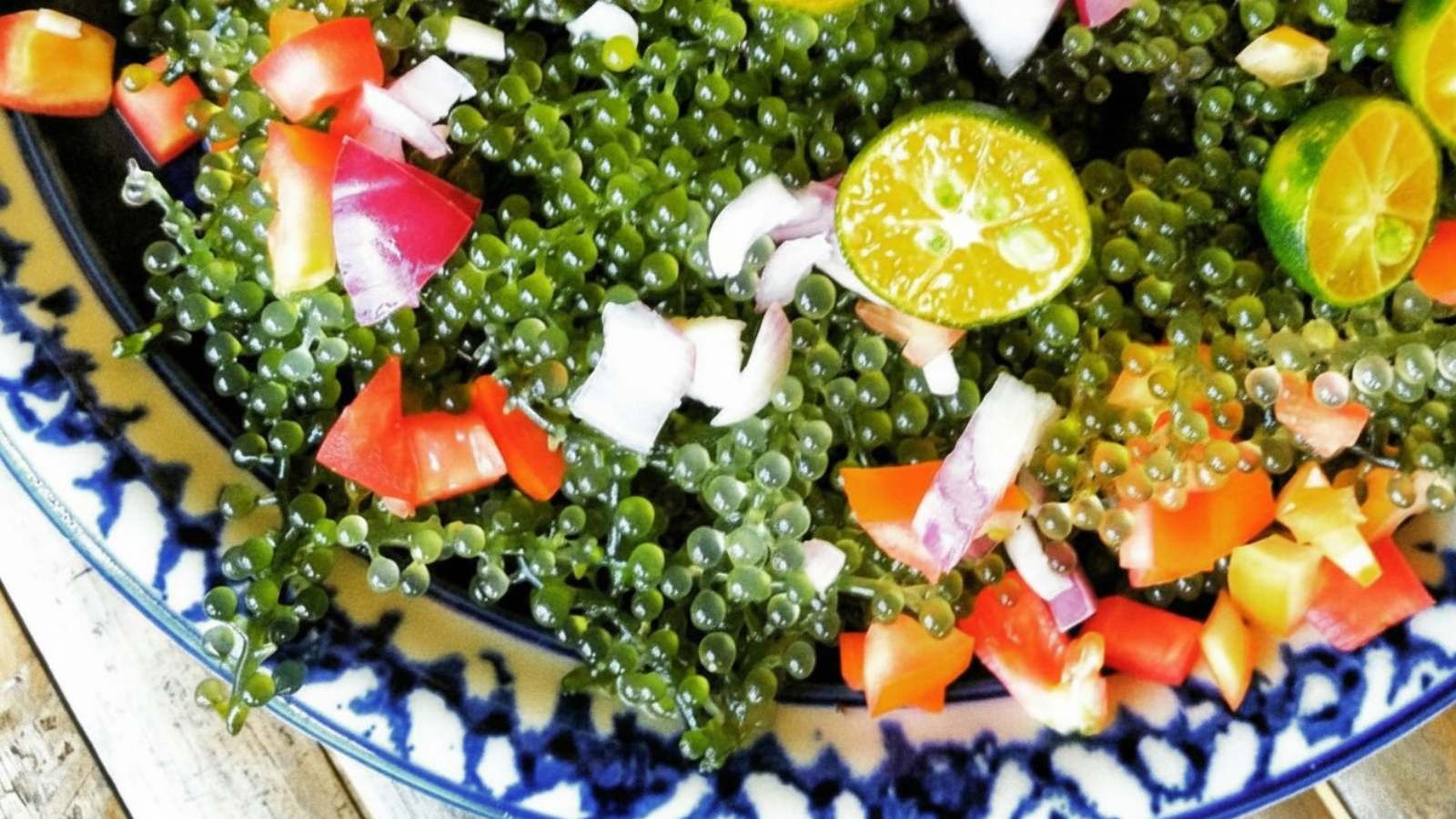
Latok, or sea grapes, is a unique seaweed snack commonly found in Sabah. It looks like tiny green grapes but has a distinct salty flavor and a slightly crunchy texture. Latok is usually eaten with sambal belacan, a spicy shrimp paste, which enhances its umami taste.
This snack is a favorite among locals and visitors who want to try something unusual yet quintessentially Sabah. Latok is often available at seafood restaurants and some night markets.
7. Desserts & Drinks
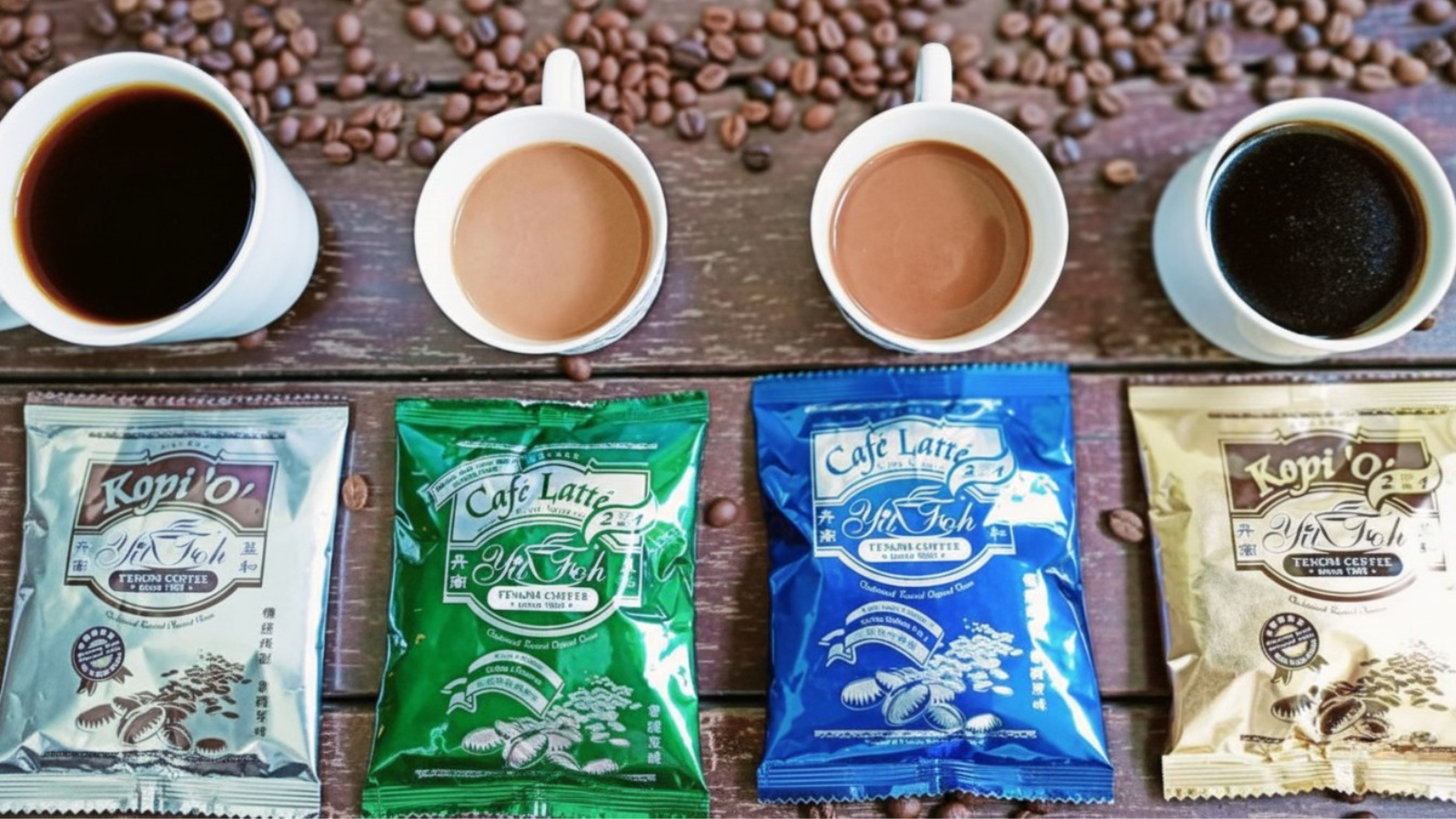
Kota Kinabalu offers a variety of desserts and drinks that complement the city’s savory dishes:
Coconut Pudding: Creamy, slightly sweet, and perfect as a refreshing dessert after a meal.
Ais Kacang: Shaved ice topped with beans, jelly, syrup, and condensed milk—a colorful and fun dessert to beat the tropical heat.
Teh Tarik: Malaysia’s famous pulled milk tea, slightly frothy and sweet, perfect for pairing with snacks.
Sabah Tenom Coffee: Locally sourced coffee with a rich aroma and full-bodied flavor, ideal for coffee lovers.
Desserts in Kota Kinabalu often highlight local ingredients like coconut, tropical fruits, and palm sugar, giving them a distinctive flavor profile that you won’t find anywhere else.
Best Places to Eat in Kota Kinabalu
Seafood Restaurants in Kota Kinabalu
Welcome Seafood Restaurant: Known for its variety of seafood dishes, generous portions, and friendly service.
Ocean Seafood Village: Offers an upscale experience with fresh crabs, lobsters, and other seafood.
Kampung Nelayan Floating Seafood Market Restaurant: Combines dining with cultural performances for a unique experience.
Local Kopitiams & Cafes
Fook Yuen: Famous for roti kahwin (butter and kaya toast) and traditional Malaysian breakfast.
Olde Station Kopitiam: A nostalgic café serving classic Malaysian coffee, toast, and light meals.
October Coffee House: Specializes in locally roasted coffee beans and artisan drinks.
Night Markets
Kota Kinabalu Night Market: Perfect for seafood and street food lovers.
Gaya Street Sunday Market: Offers local snacks, desserts, and souvenirs in a lively outdoor setting.
These dining spots provide a combination of authentic flavors, cultural immersion, and affordability. Exploring different venues allows visitors to sample a wide range of Kota Kinabalu’s culinary delights in a single day.
Halal Food in Kota Kinabalu
Muslim travelers will be happy to know that Kota Kinabalu has plenty of halal-certified restaurants. Sabah’s food scene caters to various dietary preferences, ensuring everyone can enjoy local cuisine. Some notable halal options include:
Sri Latha Curry House: South Indian banana leaf meals featuring fragrant curries, rice, and traditional condiments.
D’Place Kinabalu: Traditional Kadazandusun dishes prepared in a halal-friendly way, allowing Muslim visitors to enjoy indigenous flavors.
Nasi Ayam Penyet Ria: Indonesian-style smashed fried chicken served with rice, sambal, and vegetables.
Halal restaurants in KK often offer both local and international dishes, making it easy for visitors to find something familiar while still experiencing authentic Sabah flavors.
Tips for Foodies in Kota Kinabalu
Best Time to Visit Night Markets: Between 6 PM – 9 PM for the freshest food and vibrant atmosphere.
Seafood Pricing: Always check the market price, as it can vary depending on the season and catch.
Try Local Fruits: Durian, tarap, rambutan, and mangosteen are all worth sampling for their unique flavors.
Respect Local Culture: Some dishes contain pork or are prepared using non-halal methods, so it’s important to ask if unsure.
Food Photography: Night markets and floating restaurants offer great photo opportunities, but always ask before photographing vendors.
These tips help travelers navigate KK’s food scene efficiently while making the most of their culinary experience.
Kota Kinabalu Food Experience
Kota Kinabalu food is more than just a meal, it’s a cultural journey. From seafood feasts to traditional Kadazandusun dishes, the city offers something for every palate. Whether you explore the night markets or dine in top restaurants, you’ll discover why food is at the heart of Sabah’s hospitality. Don’t miss the chance to savor the best food in Kota Kinabalu on your next trip. To make it easier to hop between food spots, markets, and hidden local gems, consider using a car rental in Kota Kinabalu, it gives you the freedom to explore the city’s culinary delights at your own pace.
Frequently Asked Questions (FAQ) About Kota Kinabalu Food
1. When is the best time to explore Kota Kinabalu’s food scene?
Evenings between 6 PM – 9 PM are ideal for night markets and fresh seafood. Daytime is best for breakfast spots and calmer restaurants.
2. Are there halal options?
Yes, plenty! Try Sri Latha Curry House, D’Place Kinabalu, or Nasi Ayam Penyet Ria. Always confirm if unsure.
3. Must-try dishes?
Tuaran Mee, Ngiu Chap, Hinava, Latok, and fresh seafood like butter prawns and chili crab.
4. Best street food spots?
Filipino Market, Kota Kinabalu Night Market, and Gaya Street Sunday Market.
5. Is seafood expensive?
Seafood is mostly affordable, especially at markets. Prices vary by season.
6. Local fruits to try?
Durian, rambutan, mangosteen, tarap, and marang are popular tropical treats.
7. Should I rent a car?
Recommended for flexibility to visit multiple markets, restaurants, and hidden gems.
8. Are dishes spicy?
Some are mild, others like chili crab, satay, and Hinava can be spicy. Ask for milder versions if needed.
9. Drinks to try?
Teh Tarik, Sabah Tenom coffee, and fresh coconut juice are local favorites.
10. Vegetarian or vegan options?
Limited, but available, vegetable stir-fries, tofu dishes, fruits, and desserts like coconut pudding.







0 Comments